23 Jólasveinar, Elves, Gandreið

All our wights whom we do not understand
– a greater part of our life than we assume.

***

elf, álfur

New 2021 edition
FREE e-book – The Profundity of Edda – – Ný sýn á Eddu – Book 23 of 40
jólasveinar elves gandreið – Icelandic and English – side by side – in one and the same book
New 2021 edition

*

***

gandreið
gandreið

-Is this ethnology ?
-Yes. Greek ἔθνος means nation. All about characteristics of diverse peoples. The Icelandic world of wights is still alive, and is really rich.

*

*

***

Pitch for Jólasveinar, elves, gandreið  1 min 40 sec pitch:

The text for 1 minute pitch Jólasveinar, elves, gandreið (above):
Do you know what yule is?  It is ancient, all about the seasons, which in turn are due to the movements of Mother Earth. And on a deeper level these cycles connect to our evolution, symbolically.
Do you know how we invent all kinds of yule-creatures?  Do you know what elves are? How did the ghost-stories come to be?  Do we understand the ancient Heathen symbolic language conveying the true purpose of life.
Do we live in surface values only? Should we understand something more profound in our holidays and our beliefs?  Most of this stuff is very old, has been changed, altered, adapted to new belief-systems, in other words stolen and re-used.
The Vedic calendar is based on the functioning of the Laws of Nature. But note that our Roman calendar, on the contrary, is more of a tool, not only to keep track, but basically to bind us to the Roman system of Anno Domini, their invented anno zero, CE, Churcian Era, so as to “own” our holidays and us at the same time. Roman Strategy. Churchian yule, Christmas, is Pagan Saturnalia which Constantine purposefully kept, adding the Jesus-fabula to it.

***

elf, álfur

New 2021 edition
FREE e-book – The Profundity of Edda – – Ný sýn á Eddu – Book 23 of 40
jólasveinar elves gandreið – Icelandic and English – side by side – in one and the same book
New 2021 edition

*

***

English 2014 edition
The complete book Óðsmál – jólasveinar elves gandreið (23 of 40) on Youtube read by Guðrún Kristín Magnúsdóttir 22 min 22 sec


Note: 2014 edition

***

Icelandic 2014 edition
The complete book Óðsmál – jólasveinar elves gandreið (23 of 40) on Youtube read by Guðrún Kristín Magnúsdóttir 26 min 46 sec


Note: 2014 edition

***

More to ponder on:

* what is gandreið (gandur is what?  reið means what?)
can we all do this – fly in thin air?
* why then do we not practice it?
* in Þrymskviða, Freyja lends her feather-guise (fjaðurhamur) to Loki
* of what use is the feather-guise?
* what is skáldfífla hlutur, the share of pseudo-poets?
(when Óðinn as an eagle flies from Hnitbjörg to Ásgarður to deliver the mead of wisdom)
* why would elf-stories prevail?
* could it be that we know of channels/shrota inwards into Álfheimar?
* can fine measuring-contraptions detect something in elf-cliffs?
* if yes, why would not some perceive light there with their bare eyes?
* sick-house syndrome is a known problem, hazardous for our health;
* we have the science of building perfect houses in accord with Nature
* please find out all about Maharishi Sthapatya-ved architecture
* what would reverence to deceased forefathers be? – in context of our Icelandic jólasveinar
* could reverence to deceased forefathers possibly have been forbidden by theocracies during the dark ages?
* if yes, might we have carried on with laying out food, but changed the name of the act in order to hide it from authorities?
* we still put candles, and flowers/tulips, and a branch of evergreen on graves during yule-tide
* note that the Icelandic word fórn (sacrifice) is of same stem as verb færa, to bring
* know that number of jólasveinar (yule-boys), 13 and 9, are later-time making,
* and this linking them to exact dates 25th of December, and 6th of January, is later time rule too.
* what is the fundamental difference between, on one hand the Icelandic jólasveinar, and on the other hand Santa Claus, Father Christmas and his black slave?
* duality and fallibility is in all things and phenomena in our created world
* where is no duality, no infallibility and non-change?
* should we go to the realm of no duality every now and then?
* do we nýsa niður (/transend) to do that?
* what are þursemegir III (3 þurs-macs), triguna?
* why can we claim it to be a grave matter when university-degree holding people give out wrong statements, and even invent lies?
* can scientists be paid for partial research –getting results wanted– by the ones who pay them? (even leaving out  “inconvenient” factors)?  may such fakes be called sponsored research?
* why do Icelandic professors in theology constantly put disdain on vor (our) forni siður?
* is Heathenry still a threat to theocracies, — or are they still trying to wipe out all ancient traditions in the world?
* why do they exalt other theocracies?
* explain the fundamental difference between theocracy and theosophy  (–words from Greek: þeos god, kratia power, sofia wisdom–)
* can you find examples of ancient spiritual terms which are used in a different meaning in later-time man-made religious systems?
* if some claim to be sceptic, then what do they doubt?   what is it they claim not to be, or doubt if exists?
* do some only know (on one hand) the theocratic god named God, and (on the other hand) as an only alternative: no god, no belief, atheism?
* do atheists see through the theocratic use of a god as a tool?
* where is taught science of consciousness – which is contained in Heathenry?
* would you like to compare:
* spiritually minded and connected to/adherent of a system
* spiritually minded but not using any system
* adherent of a system but not spiritually minded (belongs to it by habit)
* claiming all religious and spiritual systems to be a waste of time claim all talk on eternity-matters something to be skipped altogether
* spiritually minded pertains to thoughts, ideas, feelings, belief
* note that thoughts and belief is not the same as transcending, nýsa niður into dhyaana
* some like to know/believe that there is something more to life than a life-span on earth
* what Karl Marx calls opium for the masses (1840-1850 discussion; die Religion ist das Opium des Volkes) is this trust in “that something” which never fails us, the common man’s reliance on something higher, which for sure is there
* Karl Marx never said that this trust was bad, only soothing
* some have as a paid job to prepare and serve the belief-meal for the mob, and can keep that job as long as the mob /or institution pays them for it
* note: poverty is a bad thing for the unenlightened – but einherji (enlightend) always has enough
* abundance and riches are good for everyone — these are of no concern to the enlightened one, the einherji
*recently, in Denmark, it was demanded of Churchian priests that they themselves believed in what they were teaching /preaching; of course they can give speeches, marry, baptize (i.e. register babies into the sect) without believing in resurrection of Jesus, miracles, dooms-day, heaven and hell, virgin birth, resurrection of all Churcians, etc, all that in which they hold a degree
* are institutions, systems, associations, all-worldly things?
* are thoughts about eternity and so-called spiritual matters just all-worldly thoughts? and all-worldly emotions?
* could self-imposed intermediaries to divinity take advantage of our credulity?
* could someone promise us heaven after death of our body?
* could the same man claim Glasir the golden leaved forest not to exist for living men?
* have you anywhere come across ideas about our stay in Helia in peace and quiet? and about our Verðandi during that time?
* when do money and power, trust in institutions, come into the game?
* what is an extremist, zealot, religionist, fundamentalist?
* what is to believe in one´s own might and main?
* can that go with the motto: I self lead myself?
* does that go with admitting all gods and goddesses of the panþeon to be in the universe, and all Nature’s powers to be divine?
* could the “might and main”-man find Þór within?  or can he get along without all such ideas?
* Bart Simpson said grace before a meal: -thank thee, God, for nothing as I worked for it myself

***

Til umhugsunar:

* hvað er gandreið?
* getum við þetta öll — flogið í lausu lofti?
* hvers vegna gerum við þetta ekki þá?
* í Þrymskviðu lánar Freyja Loka fjaðurham — til hvers?
* hvað er skáldfífla hlutur?  (þegar Óðinn flýgur með mjöð þekkingar úr Hnitbjörgum)
* hví skyldu álfasögur lifa?
* getur verið að við vitum af rásum innávið í álfheima?
* næm tæki nema segulsvið í meintum álfaklettum, kannski þá ekki skrítið þá að sumra augu sjá birtu þar?
* húsaveiki er vandamál sem þarf að ráða bót á; maður reisir nú hús í fullkomnu samræmi,  notar maharishi sthapatya-ved þekkingu
* hvað er forfeðradýrðkun?   í sambandi við jólasveinana okkar
* skyldi hún hafa verið bönnuð, og við því breytt um nafn á henni?   (það færa/fórn matargjöf varð skreytnin: „ææ óó þeir stálu úr búrinu“?)
* vitið þið að nöfn jólasveinanna og fjöldi þeirra 13 eða 1 og 8 eru síðaritímatilbúningur?
* hvað er ólíkt með SantaKlausi (og Father Christmas með svarta þrælinn) og íslenzku jólasveinunum?
* tvíeðli og hverfulleiki alls í heimi vekur ótta
* — hvar er ekki tvíeðli?
* er æskilegt að komast á tvískinnungslaust svið tilverunnar?
* er það gert með því að nýsa niður?
* hvers vegna er alvarlegt mál þegar háskólamenntaðir menn fara með rangindi, misnota prófgráður til að níða með rangindum annarra manna skoðanir?
* geta „kostaðar rannsóknir“ verið vísvitandi villandi og afvegaleiðandi?
(–kostuð rannsókn er að rannsakandinn þiggur þóknun frá (hagsmuna-)aðila fyrir að komast að fyrirfram ákveðinni niðurstöðu greiðandanum í hag með svokölluðum rannsóknum þar sem „óþægilegum“ þáttum er sleppt eða þeir mistúlkaðir niðurstöðunni í hag)
* getur verið freistandi fyrir menntamenn að villa um fyrir öðrum í eiginhagsmunaskyni/ þiggja greiðslu fyrir að halla réttu máli?
* svo kostulega fyndilega vill til að lýsingarorðið kostaður getur einnig þýtt: lemstraður skaddaður meiddur
* hvers vegna níða sumir guðfræðiprófessorar forna sið opinberlega?  þ.e. ófegra ægidjúpa og tæra þekkingu sinna eigin forfeðra, meðan þeir bera mikla virðingu fyrir öllum guðveldum?
* hver eru guðveldin sem við heyrum mest af?
* gerið greinamun á guðveldi (þeokrasi) og guðspeki (þeosófíu) —úr grísku þeos guð, kratia vald, sofia vitska speki—
* finnið dæmi um hvernig hugtök breyta um merkingu, þýða ekki sama og upprunalega merking þeirra er, ef þau eru notuð (misnotuð) í ýmis kerfi
* gerið ykkur, í þessu samhengi, einnig ljóst:
* hverjir eru vantrúaðir (skeptískir, efasemdarmenn), hvað telja þeir að sé ekki? efast um að sé?
* hverjir eru guðleysingjar? (aþeistar, „án guðs“ a neitandi forskeyti, þeos guð)
* sjá trúleysingjar í gegnum notkun Guð-velda á hugtakinu guð/Guð?  eða halda þeir að þetta sé hið eina sem ber nafnið guð?
* möo: vita þeir ekki um neitt annað en þetta tvennt sem er í gangi:  annars vegar Guðveldi og hins vegar trúleysi? (–hafa þeir engan annan samanburð/val en: guðveldin eða ekkert guðlegt til–)
* hafa þeir aldrei lært að ginnungagap er vitund?m né heldur (þaðan af síður) að við erum vitund?
* eru möguleikar á að til sé eitthvað af þessu:
* andlega sinnaður og tengi sig kerfi
* andlega sinnaður en aðhyllist ekkert kerfi
* áhangandi kerfis en ekki neitt andlega sinnaður (vana-meðlimur)
eða að einhver
* telji bæði trúarkerfi og svona svokölluð eilífðarmál tímasóun sem vel megi
missa sig
* andlega sinnaður á við hugsanir, skoðanir, tilfinningar, trú — ekki það að nýsa niður í dhyaana (dvínun huga, dá)
* mörgum finnst gott að vita að annað er en búkur og jarðlíf
* gott að halla sér að, Hlín okkar, vita af æðri máttarvöldum sem bakhjarli,
* — ath: fátækt er slæm óuppljómuðum, en skiptir einherja engu máli
* ath: þetta öryggi almúgans sem Karl Marx hagfræðingur kallar ópíum (die Religion ist das Opium des Volkes), andlegheita-umræða á því plani sem allir menn skilja. Menn vilja, þykir gott að eiga, öryggi í hverfulleikalífi og því óöryggi, sem er hlutskipti öreigalýðsins;
* ath: Karl Marx var ekki að segja að þetta væri dóp frá því að lifa lífinu, heldur bakhjarl almúgans í lífinu (þetta var umræða kringum 1840-1850) ath: hér er ekki verið að tala um þá sem hafa launaða vinnu við að matreiða hugmyndafræðina oní lýðinn, þá sem auðvitað vilja halda vinnu og kaupi, heldur hina sem hlusta á þá og borga oftast fyrir „öryggið“ sem þeim er lofað
* (í Danmörku var nýlega farið fram á að prestar tryðu því sem þeir eru í vinnunni við að predika, því auðvitað er hægt að halda ræður og gifta og skíra (skrá í söfnuð) án þess að trúa á meyfæðingu, upprisu, kraftaverk, dómsdag, himnaríki og helvíti eftir dauða búksins, og hin orðin sem tilheyra vinnunni og búið er að læra utanað)
* gerum við okkur grein fyrir að stofnanir, kerfi, félög, eru veraldleg?
* vitum við að umhugsun um eilífðina og svokölluð andlegheitin eru aðeins veraldlegar hugsanir?
* er hætta á að sjálfskipaðir milliliðir spili á trúgirni okkar?
* gæti einhver lofað gulli og grænum skógum eftir dauða búksins?
*gæti sá hinn sami sagt að gulllaufgaður Glasir lifandi manns sé ekki til?
* hvaða hugmyndir eru til um Heljardvöl í friði og ró?  og um okkar Verðandi?
* hvernig komast peningar (kostnaður) og völd (forsjá) inní spilið?
* hvað er ofsatrúarmaður?
* hvað er að trúa á mátt sinn og megin? getur slíkt (að trúa á mátt sinn og megin) samrýmst að
hver og einn leiði sjálfan sig sjálfur – sjálfur leið þú sjálfan þig?
* viðurkennir sá hinn sami engu að síður tilveru guðanna og alla krafta og finnur þá innan sín, t.d. Þór í sér?
eða kemst hann af án slíkra hugmynda?
* Líklega var það Bart Simpson sem sagði sem borðbæn fyrir máltíð:
þakka þér, Guð, fyrir ekki neitt því ég vann fyrir matnum sjálfur

***

23 jólasveinar elves gandreið (book cover)

2014 edition
Books in Icelandic and English available on amazon:
Óðsmál for bairns #23 jólasveinar elves gandreið
(English)
Krakka-Óðsmál in fornu #23 jólasveinar álfar gandreið (Icelandic)
Available here as Kindle (English)
Available here as Kindle (Icelandic)

***

elf, álfur

New 2021 edition
FREE e-book – The Profundity of Edda – – Ný sýn á Eddu – Book 23 of 40
jólasveinar elves gandreið – Icelandic and English – side by side – in one and the same book
New 2021 edition
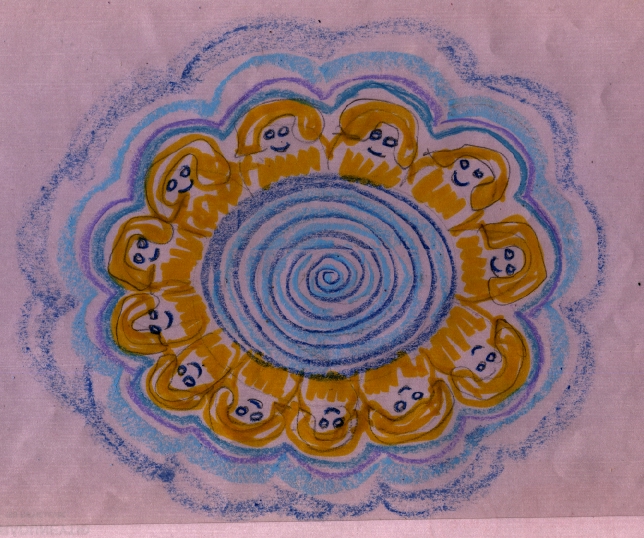
24 Gods, Days, Planets, and more

Think about gods, days, planets correlating
– and then something more you probably never heard before.

***

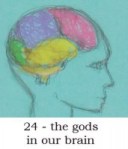
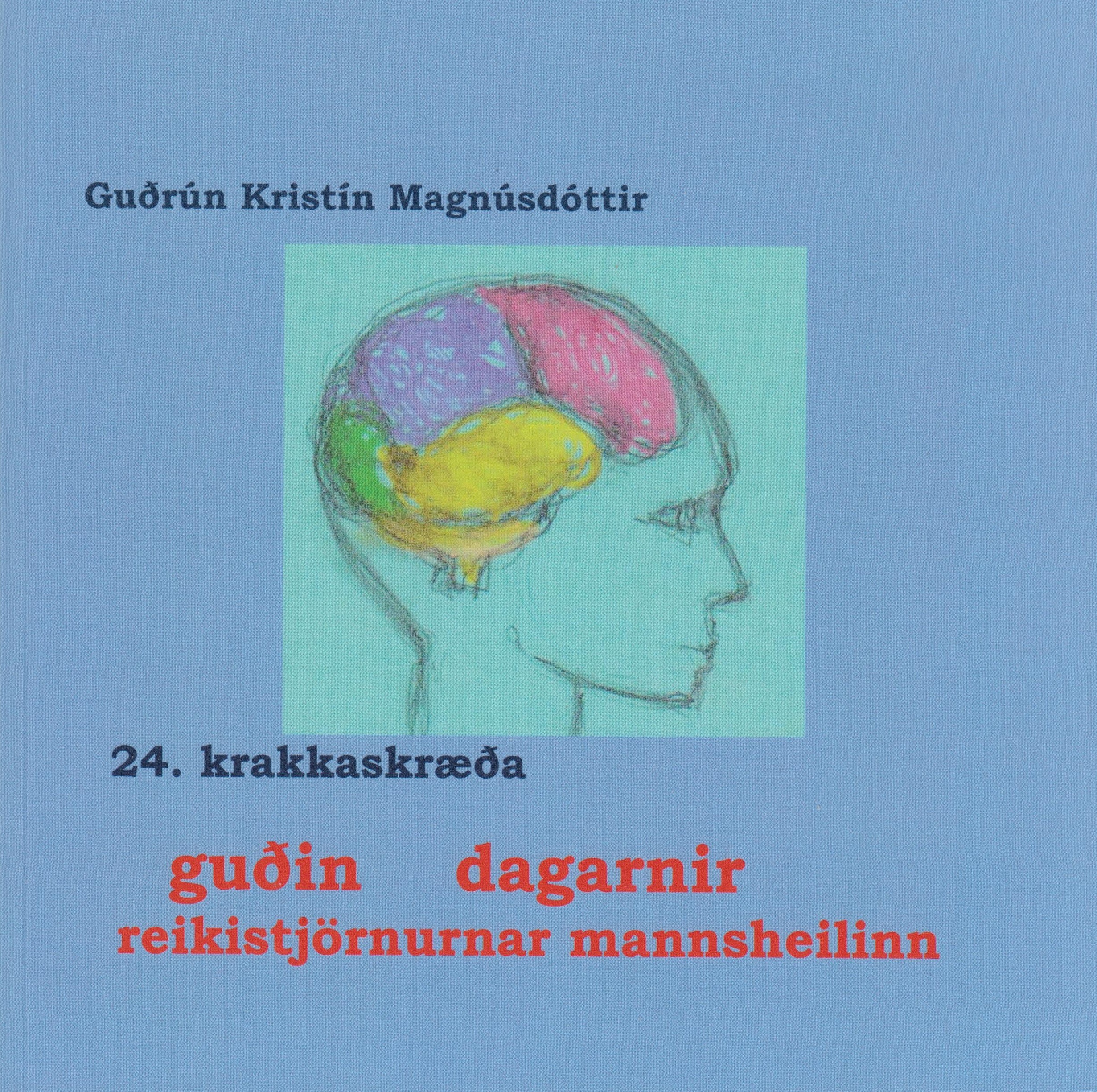
the gods in our brain

New 2021 edition
FREE e-book – The Profundity of Edda – – Ný sýn á Eddu – Book 24 of 40
Gods days planets and more – Icelandic and English – side by side – in one and the same book
New 2021 edition
*

***

panþeon of gods
panþeon of gods

-Do we realize that we name the Pagan gods every day of the week?

-Some realized, and dismissed the names of gods in the names of days, but yet they are in planets,
and: now listen: they are also in our brain!

*

*

***

Pitch for Gods days planets and more  1 min 26 sec:

The text for 1 minute pitch Gods days planets and more (above):
24  Gods days planets and more

This book is really informative. Do we know that planets, days, and gods bear the same names? The Heathen polytheistic Greek (Thyrsos) Προτάσεις, σχόλια, απόψεις. taught me the names of the days in ancient Greek. The orthodox suffocated them. They were too Heathen, you know. You can see all the ancient Greek names of days in Óðsmál 2012, ISBN 978 9935 409 82 9
In Iceland the names of days were destroyed too (by bishop Jón Ögmundsson), but we all know the ancient ones. The Romans did not care. The main focus was on keeping the folks non-rebelling over little things, and therefore let them keep their Pagan customs.
Gods days planets and more. What does the and more indicate?  Is something else correlating in this context?  Oh yes, my lovely:  The human brain. The cosmic counterparts (©Tony Nader MD PhD). Ancient wisdom now re-understood.
Scientists of coming generations will learn the fundamental knowledge.
Total Knowledge is found within.

***

the gods in our brain

New 2021 edition
FREE e-book – The Profundity of Edda – – Ný sýn á Eddu – Book 24 of 40
Gods days planets and more – Icelandic and English – side by side – in one and the same book
New 2021 edition

*

***

English 2014 edition
The complete book Óðsmál – Gods days planets and more (24 of 40) on Youtube read by Guðrún Kristín Magnúsdóttir 23 min 28 sec


Note: 2014 edition

***

Icelandic 2014 edition
The complete book Óðsmál – Gods days planets and more (24 of 40) on Youtube read by Guðrún Kristín Magnúsdóttir 23 min 43 sec


Note: 2014 edition

***

More to ponder on:

* is Loddfáfnir of Hávamál hewho is starting to be interested in knowing, starting to ask profound questions?
–if yes, interested in what, asking about what?
* does he yet possess profound understanding?
* do you know names of days in some of the Roman languages?
–if yes, would you like to compare them to names of planets?
* do you know names of days in Skandinavian languages?  or in German?
* note that Wotanstag was changed to Mittwoch in Southern-Germany;  why would that have been done?
* do you understand the names of days in English?
–if no, then why not?
* the correlating names of days in Greek and Sanskrit are to be found in the book “Óðsmál 2012 – ævi hver til uppljómunar” ISBN 978 9935 409 82 9 (available on Amazon)
* is the Roman calendar, the one we use, a Roman tool to dominate?
* can specialists end up in an ivory tower?
–if yes, then what does that imply?
* do we become broad-minded if we practice dhyaana, visit Glaðheimar, i.e. transcend regularly?   Hávamál: nýsa niður
* can Loki, as mankind, make trouble?
–if yes, then do our myths and poems tell us about such man-made fuck-ups?
* what is Þrymskviða conveying to us – when we understand the Edda poem?
* do we need to understand the allegory in order to spot the message?
* can we see on a man which state of consciousness he lives?
* can we fake it?  try to appear to be very pious and enlightened?
* does many a man succeed in that bluff?
* are we too often deceived by some faked outer appearance?

***

Til umhugsunar:

* er Loddfáfnir Hávamála sá sem er að byrja að hafa áhuga á að spyrja og reyna að skilja?
–ef já, þá spyrja um hvað, áhuga á hverju?
* er munur á utanaðbókarlærdómi og djúpum skilningi?
* kunnið þið daganöfn á rómönsku máli?  viljið þið bera þau saman við nöfn reikstjarnanna?
* kunnið þið dagana á norðurlandamálum? germönsku?  viljið þið bera þau saman við ensk daganöfn
og sjá smáafbökun í ensku svo nöfnin (á ensku) skiljast ekki lengur?
* daganöfn á grísku samsvarandi og í sanskrít, er að finna í bókinni „Óðsmál 2012, ævi hver til uppljómunar“
ISBN 978 9935 409 82 9 (fæst á amazon)
* ef þið hafið áhuga á fornum siðum og fegurð sem finnst í allri Evrópu:
* er rómverska dagatalið, sem við notum, rómverskt stjórntæki?
* geta sérfræðingar lent í fílabeinsturni? ef já, hvað táknar það þá?
* verða menn víðsýnir með því að njóta Glaðheima vitundar?
* getur Loki sem mannkyn bakað vandræði?
–ef já, segja goðsagnirnar okkar og kvæðin frá þannig manngerðu klúðri?
* hvað táknar Þrymskviða — þegar launsögn og táknmál skilst?
* sést á útliti manns hvaða vitundarstig hann lifir?
* er hægt að reyna að blöffa? tekst það stundum?  tekst það oft? tekst það allt of oft?

***

24 Gods days planets and more (book cover)

2014 edition
Books in Icelandic and English available on amazon:
Óðsmál for bairns #24 Gods days planets and more
(English)
Krakka-Óðsmál in fornu #24 guðin dagarnir reikistjörnurnar mannsheilinn (Icelandic)
Available here as Kindle (English)
Available here as Kindle (Icelandic)

***

the gods in our brain

New 2021 edition
FREE e-book – The Profundity of Edda – – Ný sýn á Eddu – Book 24 of 40
Gods days planets and more – Icelandic and English – side by side – in one and the same book
New 2021 edition
25 Haftsænir Gapþrosnir Geirölnir Valkyrja

Great insight into what we never learned before.
Quite a task to get the grown-ups to understand as they think they already know everything.

***

Askur and Embla

New 2021 edition
FREE e-book – The Profundity of Edda – – Ný sýn á Eddu – Book 25 of 40
Haftsænir Gapþrosnir Geirölnir valkyrja – Icelandic and English – side by side – in one and the same book
New 2021 edition

*

***

Óðinn transcends
Óðinn transcends

-Why did scholars and teachers never tell us?
-They did not know. Their education did not allow for consciousness, ginnungagap, the Great Void  –  and the less the act of transcending the sphere of thought.

*

*

*

***

Pitch for Haftsænir Gapþrosnir Geirölnir valkyrja 1 min 38 sec:

The text for 1 minute pitch Haftsænir Gapþrosnir Geirölnir valkyrja (above):
25  Haftsænir Gapþrosnir Geirölnir valkyrja

There are so many things we do not understand. Why would we bother?  Is this olden stuff of any relevance now-a-days?  Did our forefathers really own science of consciousness not understood by us today?  How come? And how did it get lost? Should we rediscover the understanding? Will that pay off?
Yes ! we shall rediscover the knowledge in its full glory. We shall understand the sphere of life, the most important part of life, unseen by our eyes. Our eyes only perceive the Gungnir (vibrations) of the worldly so-called stuff.
Names in Norse mythology contain meaning, a deep meaning so relevant to our understanding of life. But we have to see more than Gungnir seen by our world-perceiving eyes.

Scholars cannot possibly understand terms, of which they have no knowledge, of which they have no educational foundation or background to make them able and apt to interpret the underlying meaning. Scholars live and think on the all-worldly, shallow, superficial level of life. They should read Óðsmál and learn a lot.

***

Askur and Embla

New 2021 edition
FREE e-book – The Profundity of Edda – – Ný sýn á Eddu – Book 25 of 40
Haftsænir Gapþrosnir Geirölnir valkyrja – Icelandic and English – side by side – in one and the same book
New 2021 edition
*

***

English 2014 edition
The complete book Óðsmál – Haftsænir Gapþrosnir Geirölnir valkyrja (25 of 40) on Youtube read by Guðrún Kristín Magnúsdóttir 22 min 44 sec


Note: 2014 edition

***

Icelandic 2014 edition
The complete book Óðsmál – Haftsænir Gapþrosnir Geirölnir valkyrja (25 of 40) on Youtube read by Guðrún Kristín Magnúsdóttir 23 min 20 sec


Note: 2014 edition

***

More to ponder on:

* -why would we say that kings do not thrive in Iceland?
–because here were have several thousands of kings and queens already
* can we intellectually distinguish between 1) tívatún (sphere of the Laws of Nature)  and, on the other hand, 2)the realm of triguna (þursamegir III (the 3 þurs-macs) the bossy rulers in our world)?
* do we regularly nýsa niður, transcend, to fully understand?  really live the sphere of life without the triguna?
* where does the knowledge abide?
* do those, who do not know how to live this sphere of life, Glaðheimar, have real difficulty in understanding these Icelandic terms:
* yppa svipum
* sænir hafts
* þrosnir gaps
* böl as to perforate or rip up (found in the name Bölverkur which scholars say to be “the one who performs bad deeds”)
* böl here would be, according to meaning, “make porous”, so as the boundaries of our body-mind allow for our individual consciousness to flow to infinity, boundless, no longer confined within the created physiology
* who could understand these following terms, not having any idea about other than the worldly:
* bil as split-up (some scholars say “one eye out of order” in the name Bileygur!!)
* to nýsa (nose) down under the realm og þursamegir III, triguna of Nature
* dris as “seeing” — “seeing” what?
* the scholars claim Yggjungur to be the terrifying one, he who awakens uggur (fear) in everyone — but it could also be related to hyggja (wise thinking) – yggjungur as “the wise one”
* why has everything to be terrible concerning Óðinn, the great warrior?
* why did scholars imagine that only by that fear which Æsir created, they could bring peace
–but–
* fear is not peace, fear is the contrary to peace
* fearful reverence is not true reverence — for example: fearing one’s father cannot be loving one´s father
* are all superficial explanations perhaps only Gymisgarðagold? ungrounded contemplations?
* can geir (pronounce g-iai-rrr) contain a more subtle meaning in myths than a weapon by which men are killed — in context to geiri undaður in Hávamál
* and Jesus on the cross stung by a spear?
* und can mean a wound, and can mean a flow – open up for some flow,
* then flow of what?
* do we need to be trained burglars to get into our own house?
* does val necessarily have to mean death on a battlefield?
* what does val mean in Sanskrit?  to come/return home – is Valhöll our true home?
* can fimbulrúnir be the same a “science of luck”?  (a term used for the benefits of transcending regularly)
–for fimbulrúnir see Hávamál, vísa 138 and on–
* is walking on water same as those handy fimbulrúnir, the skill in action?
* svá Þundur um reist fyr þjóða rök – what would that be?  perhaps the great universal plan, all set
* who is Þundur
* what is rísta here in this context?

***

Til umhugsunar:

* -hvers vegna skyldi vera haft fyrir satt að kóngar þrífist illa á Íslandi
–því hér séu par hundruð þúsunda kónga og drottninga fyrir?
* skiljum við (með kollinum okkar) mun á tívatúni og Gunnaveldinu?
* nýsum við niður iðula til að skilja þetta fullkomlega? upplifa það?
* hvar er þekkingin?
* eru þeir, sem ekki vita þetta, í klúðri með að skilja eftirfarandi:
* yppa svipum
* sænir hafts
* þrosnir gaps
*böl sem það að rjúfa (þetta böl sem er í nafni Bölverks)
*böl er hér, samkvæmt merkingu, það að gera götótt, gera gljúpt og gegndræpt
* sem táknar að takmörkin, sem líkaminn og hugurinn okkar sannarlega er —þ.e. takmörk sem fylgja því að vera einstaklingsvitundin okkar lifandi í kroppi— verða ekki nein takmörk sem loka einstaklingsvitund inni, því nú getur einstaklingsvitund flætt og víkkað óhindrað til að vera ginnungagap eingöngu, sem er þá okkar óendanlega vitund, án takmarka, án takmarkana þessara sem skapaði líkaminn okkar veldur
* við notum jú kroppinn okkar og hugann til að lifa og þróast, ekki satt?
* hér, í þessu alflæði okkar, nemum við frævast og fróð vera, bergjum á vizkumiðinum, þekkingarmiðinum,
* því Hnitbjörg eru björg sem við göngum í og búum hér með álfum,
* og við lifum þetta innra svið með því að víkka, þenjast, út í hið óendanlega, þótt við lifum í skapaða kroppnum okkar, því hann er engin aflokandi takmörk okkur sett
* fræðingarnir segja að bölverkur vinni ódæði til að komast í bólið hjá Gunnlöðu, en það er vegna menntunarskorts þeirra sem þeir hugsa svona
* og hvaða svona illa menntaður fræðingur gat skilið: bil sem uppskipting/ að rjúfa? (sumir fræðingar segja bilað auga Bileygs!!)
* hvað er að nýsast innfyrir Gunnaveldið: svið þursamaga þriggja náttúrunnar?
* er dris sjáandi — og þá á hvað?
* Yggjungur hlýtur að vekja ugg, sögðu gömlu fræðingarnir, og aðeins með ógn sé þjóð friðsöm
* er munur á innri friði til að gera frið  — og ótta sem heldur mönnum í skefjum?
* getur óttablandin virðing verið virðing??
* eru allar pælingar raunar Gymisgarðagull? ógrundvölluð íhugun?
* dýpkar skilningur okkar þegar við nýsum niður iðula?
* getur geir haft fíngerðari merkingu en vopn til að vega menn með?  (geir úr sanskrít hesú: fljótur)
* þarf þjálfaðan innbrotsþjóf til að komast heim á sitt eigið heimili?
* er ráð að berja hausnum við stein þar til við dettum innfyrir?
* þarf forskeytið val– endilega að tjá hugtakið: dauður á vígvelli?
*  hvað þýðir val á sanskrít? – að snúa aftur heim, koma aftir heim; er Valhöll okkar eiginlega heima?
* „vísindi heppninnar“ kalla forfeður okkar fimbulrúnir  (sjá vísur 138 o.áfr. í Hávamálum)
* eru fimbulrúnahæfileikar er t.d. fyrirbærið að Jesú gengur á vatni?
* Þundur um reist fyr þjóða rök – hvað er það nú eiginlega?
* hvað þýðir Þundur? hvað þýðir rísta hér?

***

25 Haftsænir Gapþrosnir (book cover)

2014 edition
Books in Icelandic and English available on amazon:
Óðsmál for bairns #25 Haftsænir Gapþrosnir Geirölnir valkyrja
(English)
Krakka-Óðsmál in fornu #25 Haftsænir Gapþrosnir Geirölnir valkyrja (Icelandic)
Available here as Kindle (English)
Available here as Kindle (Icelandic)

***

Askur and Embla

New 2021 edition
FREE e-book – The Profundity of Edda – – Ný sýn á Eddu – Book 25 of 40
Haftsænir Gapþrosnir Geirölnir valkyrja – Icelandic and English – side by side – in one and the same book
New 2021 edition

26 Ginnungagap and the 5 Elements

Great insight into terms we have heard – but not understood.

***

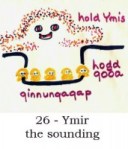
Ymir the sounding

New 2021 edition
FREE e-book – The Profundity of Edda – – Ný sýn á Eddu – Book 26 of 40
Ginnungagap and the 5 Elements – Icelandic and English – side by side – in one and the same book
New 2021 edition

*

***

vibrational modes of the five elements - höfuðskepnur
vibrational modes of the five elements – höfuðskepnur. © Dr. John Hagelin

-Is Ymir, a huge frost-giant or simply a primordial sound?
Ymir is the sounding universe. The Gods arrange the vibrating Laws of Nature from his sounding.

*

*

***

Pitch for Ginnungagap and the 5 elements 1 min 37 sec:

The text for 1 minute pitch Ginnungagap and the 5 elements (above):
26 ginnungagap and the 5 elements

In the first place:  what is ginnungagap?  It is so many intangible identities, yet it is without attributes. It only is. Non-changing eternity. Not even disturbed by some universes coming into being in it. Completely aloof from the universes. How can singularity become many without even taking part or being even connected to that game?  Anyway: it does. We shall understand Freyja, ÓðinnViliVéi, nifl and múspell as silence and dynamisms embracing each other. The broken symmetry, fermions and bosons.

The gods make our univers as we perceive it out of sound. Ymir is all sound. Each element, in Icelandic höfuðskepna, (höfuð-skepna) a main-created, has its own special vibrational mode. They are nothing but vibrations. So is Gungnir, the weapon of Óðinn: vibrations. Valkyrja is born along with man, so if we want to understand, we accept her service and transcend to the sphere of total knowledge.

***

Ymir the sounding

New 2021 edition
FREE e-book – The Profundity of Edda – – Ný sýn á Eddu – Book 26 of 40
Ginnungagap and the 5 Elements – Icelandic and English – side by side – in one and the same book
New 2021 edition
*

***

English 2014 edition
The complete book Óðsmál – Ginnungagap and the 5 Elements (26 of 40) on Youtube read by Guðrún Kristín Magnúsdóttir 30 min 35 sec


Note: 2014 edition

***

Icelandic 2014 edition
The complete book Óðsmál – Ginnungagap and the 5 Elements (26 of 40) on Youtube read by Guðrún Kristín Magnúsdóttir 33 min 43 sec


Note: 2014 edition

***

More to ponder on:

* do scientists, who talk a lot about (/do research on) Big Bang know _what_ is the unending and eternal?
* do they only know what happened — but not _what_ was before, and not _what_ is after ragnarök, and all the time?
* would it not be great fun for all scientists to know _that_ which the physicists Maharishi Mahesh Yogi and John Hagelin know?
* _that_ which Albert Einstein knew to be there somewhere, but he could not measure/not find to prove its being there?
* who is responsible for mind’s thoughts?
* who are the 5 höfuðskepnur /elements/the “main created”?
* note that skepna in Icelandic means an animal, plural skepnur (animals, beasts);  perhaps therefore men pictured the höfuðskepnur (elements) as animals?
* for thousands of years it has been known that they are 5 (up to recently modern scientists knew only 4, then “discovered” the first one (akash/space), to their great delight and pride, to find out that they are 5)
* do you know that each one of the höfuðskepnur/elements has her certain Gungnis-frequency?
* do you know that it is known in the tiniest forms of creation?
* would you hear these frequencies when you look at the horned Ymis-“animals”/”created” for example those on the Gundestrup couldron?
* note that ek, the I, individualized consciousness, very subtle, first to become, connects to Earth-element, the last to become – a kind of looping of the 8 split-ups in creation
* to imbibe the precious mead of wisdom – is that a main issue in Heathenry?
* have teachers and scholars taught you?
* do they understand as to be able to teach you?
* ginnungagap is all, is all there is, that which scientists call The Void, or even The Nothingness
* how do physics explain The Gap?
* how does philosophy explain The Gap?
* how does forni siður explain The Gap?
* The Unified Field of Total Natural Law is tívatún, ragnasjöt, Ásgarður, abode of all gods, abode of vishwedeva, the panþeon
* do we here have the mother-board of the universe — these immensely powerful impulses of creation and perfect order?
–if yes, then what are our gods?
* múspell is in Niflheimur, nifl is in Múspellsheimur, almost in equilibrium,
* they are two, implying duality, and duality always is the cause of fear which in turn keeps them in suspension
* what do teachers, parents, grandparents, scholars, these religious institutions (terribly expensive, run by tax-payers money) know, and teach us, about the spiritual aspect of our existence?
* try to explain concepts like:
*psycho-somatic  (i.e. connection of soul or mind and physiology, whatever soul and mind is said to be here in this subject)
* spiritual
* psychic
–Wikipedia: A psychic is a person who claims to have an ability to perceive information hidden from the normal senses through extrasensory perception (ESP), — or who is said by others to have such abilities. The word “psychic” is
also used to describe theatrical performers, such as stage magicians,……
*  and somehow foggy concepts like supernatural  (but I doubt that you can explain these concepts thoroughly )
* did our forefathers long ago possess knowledge which we, nowadays, do not have/ or hardly understand?
* is our forefathers’ science of consciousness now rediscovered and explained for us in Óðsmál?
* is our forefathers’ science of life in many ways more advanced than nowadays science in this field?
* are scientists now “discovering” many things which have been known for thousands of years?
* do some men understand the cycles of yuga, ancient golden ages and knowledge — but some others not?
* compare linear time to cycles:
* note: linear time adherents could say: all was (has been hitherto) primitive, dark ages, but all is now becoming evolved for the first time in history –this is how the linear-time world-view sees it, not counting for cycles–
* note: dark and primitive here means: there was no understanding of science, all superstition, fear of the unknown,
fear of phenomena like eclipses, fear at winter-solstice of the sun not resurrecting;
* linear time claims modern times the _only_ to give understanding, modern man the only to understand and have science, and good religion
* do our senses perceive – and which one which –
* Gjallarhorns-sound,
* Hræsvelgur (air/wind personified),
* Hrímnir (fire personified),
* Viddi (sea personified),
* Hlóðyn (earth personified)?
* what do our senses not perceive?
* what is Ymir – of whom our visible universe is made?
* does our forefathers’ description of the making of a universe stand crucial investigation and critical comparison to modern theories?
* how does our primordial life-giving cow Auðumbla come to be?
–(note: pronoune ´Euth-eumbla, not au-Dumbla, please!)
* does Auðumbla imply that life simply is, has always been and will always be?

***

Til umhugsunar:

* vita vísindamenn, sem tala um (/rannsaka) miklasmell, hvað er óendanlegt og eilíft?
* vita þeir aðeins um það sem gerðist? en ekki hvað er fyrir Ymi, og hvað er eftir ragnarök, og allan tímann?
* væri ekki gaman fyrir alla vísindamenn að vita það sem eðlisfræðingarnir maharishi og John Hagelin vita — þetta sem Einstein var viss um að væri, en fann ekki?  Gat ekki mælt því ginnungagap hefur ekki svon mælanlega eiginleika.
* hver ber ábyrgð á hugsunum hugans?
* hverjar eru höfuðskepnurnar 5  (sem vitað hefur verið um í þúsundir ára)?
* vitið þið að Gungnistíðni höfuðskepnanna er þekkt, hverrar og einnar af þeim fimm, og að þetta hefur verið vitað í þúsundir ára, aðeins nú að enduruppgötvast?
* heyrum við nokkuð þessa tíðni þegar við horfum á Ymis-„skepnurnar“ á Gundestrup-kerinu?
* Athugið að ek, einstaklingsvitund, fíngerð, sem fyrst verður til, tengir sig anzi fast við jörð, grófustu höfuðskepnuna sem síðast verður til
* að bergja á miðinum dýra, er það kjarninn í forna sið?
* hafa kennarar og fræðimenn kennt ykkur að skilja þetta?
* gapið er allt, þetta sem stjarnfræðingurinn kallar „ekkert“ (allt varð til úr engu)
* hvernig útskýra vísindin gapið,
* hvernig heimspekin,
* hvernig forni siður?
* samsvið allra náttúrulögmála er tívatún, allra guða-sjöt, ragnasjöt, Ásgarður, bústaður fjölgyðjis,
* er í samsviðinu/Ásgarði stjórnborð heimsins, ægikröftugir hvatar sköpunar og reglu?
* múspell býr í Niflheimi, nifl í Múspellsheimi í fullkomnu samræmi, nærri fullkomnu jafnvægi (–hér búa óttablandnar andstæður sem kyrrð og orka–)
* vita menn þetta — fræðingar, kennarar, vísindamenn, foreldrar, og svokallaðir „andlegir leiðtogar“ (–hvað sem það nú er, sumir hverjir á rosakaupi hjá opinberum stofnunum reknum af skattfé–)
* reynið að útskýra: hug-vefrænt (/huglíkamlegt), andlegt, sálrænt, og þokukennd hugtök einsog yfirskilvitlegt (/yfirnáttúrulegt)  —ef það er þá nokkuð hægt með góðu móti að útskýra—
* höfðu forfeður okkar þekkinguna fyrir löngu löngu, en ekki við núna?
* eru vitundarvísindi forfeðra okkar lengra komin en nútíminn?
* eru menn núna að enduruppgötva ýmislegt sem verið hefur í vitað í þúsundir ára?
* skilja sumir menn ferli alda, fornar gullaldir og þekkingu? aðrir ekki?  (e. linear time as opposed to cycles;)
* en það sjónarmið að tíminn sé bein lína, er, að sjá mannkyn og þróun svona:
* allt gamalt var frumstætt og skilningsskortur, hjátrú og ótti við hið óþekkta
* nútímavísindi eru hin einu vísindi ,
* nútíminn hin eina framþróun úr þessu frumstæða
* nema skilningarvitin okkar – og hvert þeirra hvað:  Gjallarhornshljóð, Hræsvelg, Hrímni, Vidda, Hlóðynju? (persónugervingar höfuðskepnanna 5)
* hvað nema skilningarvitin okkar ekki?
* hvað er Ymir hinn ymjandi — sem gerður er að sýnilegum ymjmandi heimi?
* stenzt lýsing forfeðra okkar á tilurð alheims vísindalega gagnrýni?

***

26 ginnungagap and the five elements (book cover)

2014 edition
Books in Icelandic and English available on amazon:
Óðsmál for bairns #26 ginnungagap and the 5 elements
(English)
Krakka-Óðsmál in fornu #26 ginnungagap höfuðskepnurnar (Icelandic)
Available here as Kindle (English)
Available here as Kindle (Icelandic)

***

Ymir the sounding

New 2021 edition
FREE e-book – The Profundity of Edda – – Ný sýn á Eddu – Book 26 of 40
Ginnungagap and the 5 Elements – Icelandic and English – side by side – in one and the same book
New 2021 edition
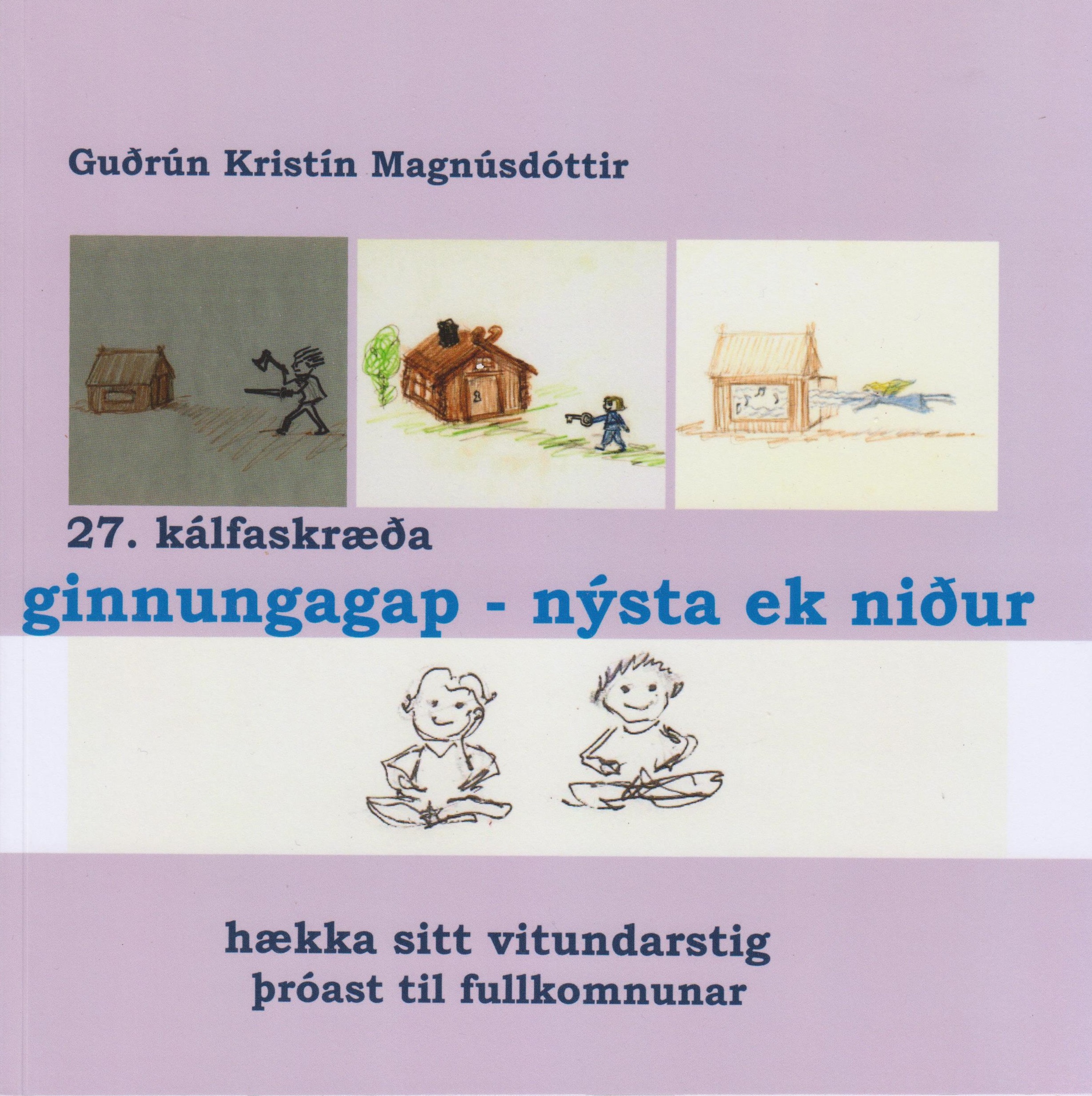
27 Ginnungagap – Nýsta ek Niður

What is to nýsa niður? Where does Óðinn “go” when hanging on vingameiður?
Is he telling us our purpose and goal: That we have to nýsa niður to evolve spiritually?

***

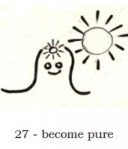
become pure

New 2021 edition
FREE e-book
– The Profundity of Edda – – Ný sýn á Eddu – Book 27 of 40
Ginnungagap  – Nýsta ek niður – Icelandic and English – side by side – in one and the same book
New 2021 edition
*

***

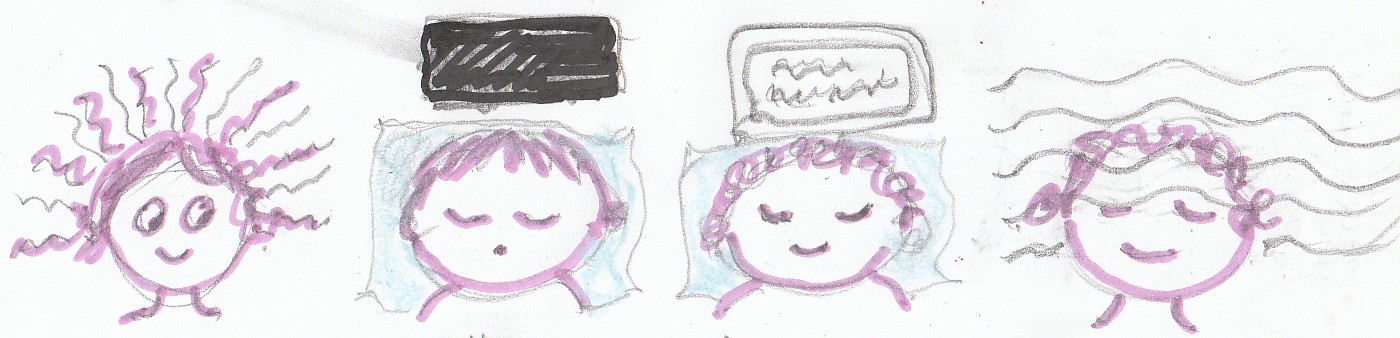
4th state of consciousness is transcendence
waking           sleep             REM         the 4th
4th state of consciousness is transcendence

-Why do our myths keep on telling us about some ginnungagap?
-A vital thing to know: Ginnungagap is our consciousness.
We shall find out why we have to know and understand the necessity to contact our very origin. Come home to our own pure consciousness.

*

*

***

Pitch for Ginnungagap – nýsta ek niður 1 min 22 sec:


The text for 1 minute pitch Ginnungagap – nýsta ek niður (above):
27 Ginnungagap – nýsta ek niður

is all about science of consciousness. We simply transcend Nature and her triguna (3 qualities), imbibe the perfection and correlation in ginnungagap. That is easy as we are it. This is practicing the Unified-Field technique. Easy and natural to the mind, as it, by its inherent nature, seeks the lasting happiness, Glaðheimar, ginnungagap. Wormholes come in handy. Óðinn uses wormholes to gain the supreme wisdom. So easy and effective. Any man who can think, who has a human nervous system, and who can fall asleep and wake up, can learn to transcend naturally. We are here to evolve, and this is how we do it. — In an easy and natural way!
The very purpose of life is to reach Valhöll, a heightened state of consciousness, fully alive. Live life as einherji in Valhöll. We ourselves shall benefit from it. We wage peace. We give peace and wisdom to the whole world, nurturing it with the bliss of ginnungagap.

***

become pure

New 2021 edition
FREE e-book – The Profundity of Edda – – Ný sýn á Eddu – Book 27 of 40
Ginnungagap  – Nýsta ek niður – Icelandic and English – side by side – in one and the same book
New 2021 edition

*

***

English 2014 edition 
The complete book Óðsmál – Ginnungagap – Nýsta ek niður (27 of 40) on Youtube read by Guðrún Kristín Magnúsdóttir 27 min 07 sec


Note: 2014 edition

***

Icelandic 2014 edition
The complete book Óðsmál – Ginnungagap – Nýsta ek niður (27 of 40) on Youtube read by Guðrún Kristín Magnúsdóttir 26  min 56 sec


Note: 2014 edition

***

More to ponder on:

* to heighten one’s state of evolution, evolve to perfection, is our spiritual evolution
* to evolve implies: evolve oneself. It is made happen, not waited for; we have to do something, I evolve myself
* I need to do a tiny thing to make it star running and as evolving is the nature of life, it spontaneously gains support of Nature
* is our forefathers’ ancient knowledge practical today?
* do the 5 höfuðskepnur /elements know of their existence, are they self-aware?
* where does mind seek the happiness it is always looking for?
* when is mind pending or “hanging” on vingameiður?
* what do the senses do, actually? what is their job? what do they perceive and bring to the mind?
* what does is mean: to get acquainted with Hnitbjörg?
–note: * by using a technique that works, to really, effortlessly, transcend realm of thinking, we reach Hnitbjörg at once, lognfara (calm) Barri, Glaðheimar, Ægir
but
* do we need to practice regularly the technique to nýsa niður in order to get acquainted with the 4th state of consciousness, transcendence?
* do we understand that by transcending, nýsa niður, we are, layer by layer, laying Bifröst?
* do we know Bifröst to be the bridge to higher states of consciousness?
–note: pronounce Bifröst as Biff-reost, accent on the first syllable always in Icelandic
* is pure consciousness, a natural state for man?
* is this act of nýsa niður (/transcend thought) the very way to imbibe and scoop fimbulrúnir into our life?
* what are the benefits of this Bölverks-project?
* note: a snake is a token of wisdom, a good token and positive, — but in Churchianity snake is used for slyness, temptation, satan and the like;
* the snake on the Gundestrup-vessel is, according to Devdutt Pattanik, Karkotaka listening;
* also note that scholars’ interpretation of the snake on Gundestrup vessel indicating death, is incorrect
* repeated: we should know that devata is guð, god, deva, dívar, díar, tívurr and one devata, deva, guð, god, can never be ginnungagap, The Whole;
* when a deity is addressed (as a she or a he or even an it) it cannot be ginnungagap;
* ginnungagap does not listen;
* when some pray to a mono-god, address him, he cannot be our all-pervading ginnungagap;
yet
* all gods and all universes, all there is, is ginnungagap, as nothing else is than ginnungagap
* and one god cannot be That whatever attributes are given to it/him/her
* Reality, consciousness, contains powers, and prompts by using impulses;
* panþeon and polyþeon is vishvedeva, the collection of gods and goddesses
* one god taken out of context of the whole, or a man-made god, given attributes and roles (such as giving, revenging, loving, becoming angry etc), can at the best be a smart tool
* disdain of women and disdain of female powers —alien to our forni siður— was brought from North-Eastern-Africa, through Southern Europe, to the North;
* Churchian women have a hard time nowadays trying to get out of that cage;
* female theologians from University of Iceland claim women-disdain still to be taught in Theology department of the Universiy – so they meddled up with the male-god, i.e. claim the god named God to be a She-God (female) – but refuse to call her a goddess, though;  She God, not goddess.
* they affirm patriarchy to be a cardinal sin and the root of all evil
* do we know that ruach kodesh, holy spirit, is a female term in Hebrew? She ruach (breath wind spirit)
* did Jesus in the story ever put disdain on women?
* would Jesus have taught a technique to transcend/nýsa niður?
* when we transcend, we gradually start to understand Jesus’s teachings;
* without transcending, we do not understand as only by experiencing Glaðheimar, – live the contact with ginnungagap — which is pure joy — can sacred teaching be profoundly understood
* our experience of the closeness to the flawless pure ginnungagap enlivens all creativity in us
* feast at Ægis, enjoying the gladness of Valföðurs wine in Ásgarður,
* having imbibed these divine attributes, we bring peace wherever we go over lands  –  as Æsir are claimed to have done.

***

Til umhugsunar:

* hækka sitt þróunarstig, þróast til fullkomnunar, er andleg þróun okkar;
* vitum við að þróast er að þróa sig? (þróa sik, verður þróask, svo þróast)
* táknar þetta að við þurfum að gera eitthvað? ég þróa mig?
* er miðstig sagnarinnar (þróast) sjálfvirkt, eða þarf að gera pínupons til að koma því af stað?
* er ævaforn þekking forfeðra okkar hagnýt hér og nú?
* eru höfuðskepnurnar 5 meðvitaðar um tilvist sína?
* þegar við höldum huganum í hangi á vingameiði, hvar leitar hann þá hamingjunnar sem hann er alltaf að leita?
* hvað eru skilningarvitin að gera? hvað nema þau?
* hvað er „að venjast Hnitbjörgum“?
* tækni sem virkar til að nýsa niður er fíngerð, ekki áreynsla, ekki einbeiting
* komumst við strax í Hnitbjörg, lognfara Barra, Glaðheima, til Ægis í fyrstu tilraun við að nýsa niður? já!
* en þurfum við að nýsa niður reglulega og iðula til að venjast 4.vitundarstiginu, og gera það okkur eiginlegt?
* ausum við þannig upp fimbulrúnum sem hvítaauri inní daglegt líf?
* (ath. hvort aur er skylt latínu aurum (frb. árúm) silfur; etv hvítagull platina)
* hvers konar verðmæti græðast á þessu Bölverksbrölti?
* vitum við að við erum að leggja Bifröst, lag fyrir lag, með því að nýsast niður?
ath:
* slanga og ormur eru yfirleitt fíngerð vitskumerki, góð tákn og jákvæð, alls staðar nema í kirkjustofnunum sem nota orminn sem slægð, illt, slæma freistni, satan oþh
* ath: Gundestrupkers-slangan er í Austurríki ranglega skilgreind sem dauðinn;  Devdutt Patanaik sér hana sem Karkotaka hlustandi
* áréttað: vonandi er okkur nú ljóst að devata er guð, devata eru guð, — deva dívar tívurr
* eitt devata /eitt guð getur aldrei verið allt ginnungagap, heildin
* öll guð og allur heimur og allt sem er er ginnungagap því ekkert annað er
* eitt guð tekið útúr samhengi getur aldrei leikið ginnungagap
* ginnungagap er vitund, og er grundvallarraunveruleikinn
* bænir eru hugsanir, tilfinningahiti, ákall; ginnungagap hlustar ekki;  við erum ginnungagap/vitund
* guðin eru kraftar, hvatar, virkir eiginleikar ginnungagaps,
* panþeon og polyþeon er fjölgyðji og samgyðji, vishve-deva
* ekki  er það svo að neitt eitt guð standi eitt, né geti staðið eitt
* eitt guð tekið útúr samhengi, þótt því sé gefið nafnið Guð, er ekki ginnungagap
–kannski er svona eitt guð aðeins tilbúningur en alls ekki guð tekið útúr panþeoni, er manngert fyrirbæri (tæki) kallað Guð–,
* því/honum gefin alls konar hlutverk og veraldlegir eiginleikar, –t.d. hegna, reiðast, umbuna, skapa, fyrirgefa, ofl. sem engra guða hlutverk er–
* eingyðji er í tilbúnum trúarkerfum snjallt tæki
* –svona stjórnunarhættir bárust hingað norðureftir í gegnum Róm, þangað komið frá austanverðri Norður-Afríku–
þessu fylgdi mikil kvenfyrirlitning, sem kvenmenn eru núna að reyna að losna undan
* kvenfyrirlitning mun ennþá kennd í HÍ, að því að kvenguðfræðingar segja opinberlega
* skiljið notkun guðvelda á orðinu Guð og tilganginum með því
* skildi Jesú hafa kennt tækni til að transcendera/ nýsa niður?
* með iðkun tækninnar að nýsa niður, skilst nefnilega allt sem haft er eftir Jesú
* án tækni til að nýsa niður skilst það nefnilega ekki, því aðeins með reynzlu af Glaðheimum getum við skilið þau orð
* sjáum einnig hvað eru síðaritíma viðbætur
* eigin reynzla manna af nálægð við óflekkað ginnungagap lífgar alla sköpunareiginleika þess í okkur,
* –það er veizla at Ægis, gleðin við vín Valföðurs í Ásgarði að una — og með þessa eiginleika vakandi í okkur fylgir okkur friður hvar er við förum um lönd, einsog sagt er um Æsi.

***

27 ginnungagap - nýsta ek niður (book cover)

2014 edition
Books in Icelandic and English available on amazon:
Óðsmál for bairns #27 ginnungagap – nýsta ek niður
(English)
Krakka-Óðsmál in fornu #27 ginnungagap, nýsta ek niður (Icelandic)
Available here as Kindle (English)
Available here as Kindle (Icelandic)

***

become pure

New 2021 edition
FREE e-book – The Profundity of Edda – – Ný sýn á Eddu – Book 27 of 40
Ginnungagap  – Nýsta ek niður – Icelandic and English – side by side – in one and the same book
New 2021 edition