8 Freyr Skírnir Gerður

Skírnir, a divine ray, sent to mankind from the god Lord Freyr – teaching us what our human life on earth is for: spiritual evolution;
– Did we know?
-Now who would he be, our Vana-god Freyr?
Freyr is our god of prosperity, abundance, and peace.
Skírnir is a divine ray, sent to mankind, Gerður. Do not let personifications blind you to the allegory contained in our sacred myths and poems.

***

Lord Freyr

New 2021 edition
FREE e-book – The Profundity of Edda – – Ný sýn á Eddu – Book 8 of 40
Freyr Skírnir Gerður – Icelandic and English – side by side – in one and the same book
New 2021 edition

*

*

***

1 min 32 sec pitch for Freyr Skírnir Gerður:

The text for 1 minute pitch Freyr Skírnir Gerður (above):

08 Freyr Skírnir Gerður
Do you know that progress is prerequisite for peace?  Not the other way round. We will not be peaceful if we stagnate on our evolutionary path.  We need progress, evolution, seeking more and more bliss and prosperity. Life is for expanding and blossoming.
Bounty and abundance is what Freyr wants us to enjoy, but:  Freyr sees that Gerður – humankind –  is occupied with her material life only, swimming in the lap of luxury in Jötunheimar. She has forgotten the purpose of life: spiritual evolution towards enlightenment.
Skírnir, actually the divine ray, is sent fort from the god lord Freyr to mankind, Gerður, to remind us of what we seem to have completely forgotten, too occupied with filling the garage with stuff.  Only stagnation awaits us if we go on un-nourished.
Noteworthy is that Gerður knows about lognfara lundur Barri. _She_ suggests where we are to meet our innermost divine.  Do we know all the time? Only we have to be reminded every now and then?

***

Lord Freyr

New 2021 edition
FREE e-book – The Profundity of Edda – – Ný sýn á Eddu – Book 8 of 40
Freyr Skírnir Gerður – Icelandic and English – side by side – in one and the same book
New 2021 edition

*

*

***

English 2014 edition
The complete book Óðsmál – Freyr Skírnir Gerður (8 of 40) on Youtube read by Guðrún Kristín Magnúsdóttir 30 min 05 sec


Note: 2014 edition

***

Icelandic 2014 edition
The complete book Óðsmál – Freyr Skírnir Gerður (8 af 40) on Youtube read by Guðrún Kristín Magnúsdóttir 26 min 34 sec


Note: 2014 edition

***

More to ponder on:

* what is Skírnir?   is he a divine ray sent from divinity?
* what is the symbolic meaning of horse, sword, all-golden apples, hrímþursar?
* can galdur (charm, spell, magic) be good for “seeing”?
* note: Icelandic verb drepa means to kill, but also means to touch
drepa fingri (still in use) is to touch down with a finger;
snortinn is “touched” in the meaning emotionally “touched”
* where on earth is lognfara lundur Barri to be found?
* why would Gerður know about it?
* _she_ is the one who suggests it
* do we all know – here deep inside?
* even those who claim nothing to be other than what our eyes perceive (created material universe)?
* note that our adjective barr means prepared, ready
* Barri is a wood of evergreens; note that our yule-tree is an evergreen
* is it necessary to be a living man to allow mind to expand to Glaðheimar?
* do we realize, and value, our human faculties?
* is our body some porous field of Gungnir as not to be any obstacle to mind’s expansion to infinity?
* can we pinpoint the difference between 1) man’s intelligence, and 2) man’s understanding in connection to science of consciousness?
* note that some intelligent men have no notion of their divine inner Being
* can Byggvir and Beyla mean food and prosperity?
* can Gullinbursti be a fertility-symbol?
* is abundance and welfare a prerequisite for peace, frith?
* are elf-stories about something we do not see but know to be?
* should Ólafur liljurós (in the poem) have accepted the treasure from the elf-maidens, and so lived happily ever after?
* are these later-time warnings against some meant “evil” elves a deliberate theocratic propaganda exploiting fear, to turn us against our innermost treasure?
* can we compare: 1) the birth of the light of the world at yule, and 2) birth of our inner light by “seeing” the path towards enlightenment?
* what is patriarchy?
* -how is that invention (patriarchy) different from Skaði and Gerður?
* these Norse mythical females, born free, are self-dependent, determined, but no way stubborn as they are ready to understand and learn

***

Til umhugsunar:

* hvað er Skírnir?
* hvað táknar hér hestur, sverð, algullin epli, hrímþursar?
* er galdur góður til að „sjá“?
* vitum við að drepa þýddi alltaf snerta? (sbr. drepa fingri) og hvað þýðir snortinn?
* hvar er lognfara lundurinn Barri?
* hvers vegna skyldi Gerður vita um lognfara lundinn Barra?
* það er hún sem stingur uppá honum!
* vitum við þetta öll – svona í þeli niðri?  jafnvel þeir sem fullyrða að ekkert sé annað en það sem augun sjá?
* (athugið að lýsingarorðið barr þýðir reiðubúinn,  og barri gæti vísað í sígrænt;
* eru jólatrén okkar sígræn tré?
* er einir barrtré? hvað er einiberjarunnur?)
* á jötnamærin okkar hún Gerður í nokkrum örðugleikum við að læra að leyfa huga að víkka út í óendanlega Glaðheima?
* sjáum við mun á 1) gáfum og 2) æðri skilningi í sambandi við vitundarvísindi?
* (getur gáfaður maður verið á grófum stigum?)
* eru Byggvir og Beyla um mat, og Gullinbursti um frjósemi?
* eru gnægtir og velmegun forsenda friðar?
* eru álfasögur um eitthvað sem við sjáum ekki en vitum að er þarna?
* hefði Ólafur liljurós átt að þiggja fjársjóð álfameyjanna?
* var það aðeins hræðsluáróður guðveldanna sem gerði hann blindan á (/bannaði) innri fjársjóð okkar?
* er sambærilegt:  1) fæðing ljóss heimsins um jól, og  2) fæðing innra ljóss við að „sjá“ og byrja á brautu til uppljómunar?
* hvað er patríarkí, feðraveldi?
* hvernig er það öðru vísi en frjálsborin stolt norræn kvenpersóna í fornu norrænu kvæði?
* t.d.:   Gerður segir: nei takk, vil ekki guðlegt gull, á nóg Gymisgull.

***

English
Skírnismál – How to Perform and Understand the Ritual 25 min 00 sec

***

Icelandic
Skírnismál – helgileikar – Uppsetning og skilningur 21 min 08 sec

***

Skírnismál - how to perform a ritual

FREE e-book
Skírnismál: handrit handa börnum – script for bairns – helgileikar – ritual 

(Note: Icelandic and English edition side by side in the same book)

*

*

***
8 Freyr Skírnir Gerður (book cover)

2014 edition
Books in Icelandic and English available on amazon:
Óðsmál for bairns #8 Freyr Skírnir Gerður 
(English)
Krakka-Óðsmál in fornu# 8 Freyr Skírnir Gerður (Icelandic)
Available here as Kindle (English)
Available here as Kindle (Icelandic)

***

Lord Freyr

New 2021 edition
FREE e-book – The Profundity of Edda – – Ný sýn á Eddu – Book 8 of 40
Freyr Skírnir Gerður – Icelandic and English – side by side – in one and the same book
New 2021 edition

*

*

***

Skírnismál - how to perform a ritual

Skírnismál – How to Perform and Understand the Ritual
English and Icelandic in the same edition.  Skírnismál  ISBN 978 9935 409 83 6
The book is available here as Kindle
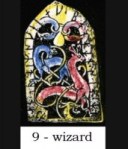
9 Tell Me, Wizard

We are consciousness in motion – iðandi Iðavellir
The wizard shares marvellous insight into forni siður (our ancient tradition).

***

wizard

New 2021 edition
FREE e-book – The Profundity of Edda – – Ný sýn á Eddu – Book 9 of 40
Tell me, Wizard – Icelandic and English – side by side – in one and the same book
New 2021 edition

*


***

G glað tyra logn

-Why would I be listening to some wizard?
-If you are pure enough, you shall really enjoy his speculations.
If you are not pure enough, then learn to transcend (learn TM) to become ever purer day by day.

*

***

Pitch for The wizard  1 min  13 sec

The text for 1 minute pitch The wizard (above):

09  The wizard, Högni víðhöttur (viddhartha) tells us
how easy it is to regain Mímir.  Why we should do that. How naturally we transcend the world of thought, to imbibe the greatest wisdom. Tells us what human life is all about. Tells us that our forni siður, ancient tradition, is not at all about some surface, or superficial values. No. Much much deeper, all about the unseen reality, found within.  And we are It. Listen to his wisdom.
The wizard tells us to understand and really live our own tradition which evolved here among us according to the Laws of Nature in our place on earth. And: why did we choose to be born, in the first place.
He tells us how the innocent bed-time stories have a much deeper meaning than we spot. Really listen and understand his simple, yet profound, wisdom.

***

wizard

New 2021 edition
FREE e-book – The Profundity of Edda – – Ný sýn á Eddu – Book 9 of 40
Tell me, Wizard – Icelandic and English – side by side – in one and the same book
New 2021 edition

*


***

English 2014 edition
The complete book Óðsmál – Tell Me, Wizard (9 of 40) on Youtube read by Guðrún Kristín Magnúsdóttir 19 min 42 sec


Note: 2014 edition

***

Icelandic 2014 edition
The complete book Óðsmál – Tell Me, Wizard (9 af 40) on Youtube read by Guðrún Kristín Magnúsdóttir 17 min 33 sec


Note: 2014 edition

***

More to ponder on:

* all actions bind man, except one; which one?
* is Valhöll for living men?
* note that man indicates man and woman (man = mankind);  man indicating only males (not women) is a later-time misconception,
* is Valhöll (enlightenment)  wrongly seen as a dead men’s’ abode, due to some drastic confusion with that later-time, imported, theocratic devotion to death?
* note that death exists not  –  life only,
* and man has many many life-spans to use for his purpose of evolving
* what is the difference between The Laws of Nature (on one hand) and (on the other hand) man-made law?
* can we claim some one god to have written laws?
* why are we so found of hide-and-seek games?
* would we, by any chance, always (–all our life-spans–) be looking for something which we know to be there somewhere?
* do we think there is something somewhere which we should find?
* is belief an all-worldly phenomenon?
and * would it be good to get rid of labels and rigid systems?
* could power need some indecent means for its sustenance?
* which would be more appropriate: 1) to understand the profundity of our own spiritual culture,  or 2) import alien man-made systems with which to replace our ancient knowledge and wisdom?
* read “Maddaman með kýrhausinn” by Helgi Hálfdánarson, ISBN 6676 3 2378 7, and find out what is later-time additions and mis-readings in Völuspá;
* understand how Helgi finds the 3 ancient underlying poems: which Helgi names: Ásaspá, Mímisspá, and Járnviðja

***

Til umhugsunar:

* er Valhöll staður sprelllifandi manna?
* er dauðramannabústaður ruglingur vegna skoðana guðvelda?
* hver er munurinn á lögmálum náttúrunnar, og lögum sem menn setja, og lögmálum sem menn búa til?
* geta menn sagt að eitthvert eitt guð hafi búið til skrifuð lögmál?
* hvers vegna höfða feluleikir til okkar?
* erum við óvart alltaf að leita að því sem við vitum að er einhvers staðar?
* vitum við í þeli niðri að eitthvað er sem þarf að finna?
* er trú al-veraldlegt fyrirbæri?   og merkimiðar og kerfi eitthvað sem við verðum að losa okkur við?
* kalla völd á óheiðarleg meðul?
* hvort er nú betra að skilja dýpt sinnar eigin menningar –eða– flytja inn annarra manna kerfi og innleiða þau í staðinn?
* lesið Maddömuna með kýrhausinn eftir Helga Hálfdánarson, ISBN 6676 3 2378 7
* skiljið hvað er síðari tíma tilbúningur, -viðbætur og -innskot í Völuspá,
* skoðið Ásaspá, Mímisspá og Járnviðju Helga
* og skiljið hvaða aðferð Helgi notar, snillingurinn, — bragarhætti og regluleg stefin —  til að finna upprunalegu kvæðin

***

9 The wizard

2014 edition
Books in Icelandic and English available on amazon:
Óðsmál for bairns #9 tell me, wizard
(English)
Krakka-Óðsmál in fornu #9 segðu mér seiðskrati (Icelandic)
Available here as Kindle (English)
Available here as Kindle (Icelandic)

***

wizard

New 2021 edition
FREE e-book – The Profundity of Edda – – Ný sýn á Eddu – Book 9 of 40
Tell me, Wizard – Icelandic and English – side by side – in one and the same book
New 2021 edition

10 How to Bring Up a Child – and How Not

Understand the profundity of up-bringing; The superficial values suffice not.

***

bring up happy kids

New 2021 edition
FREE e-book – The Profundity of Edda – – Ný sýn á Eddu – Book 10 of 40
Upbringing – Icelandic and English – side by side – in one and the same book
New 2021 edition

*

*

***

How to birng up a child

-I realize there is something called pedagogy. But why is there stress in schools and in homes?
-We should learn to contact our inner peace and perfect balance.
Here, within, we find The Harmonizing, All Possibilities, Infinite Creativity.
All schools should implement Consciousness-Based Education.

*

***

Pitch for How to bring up a child – and how not 1 min  24  sec


The text for 1 minute pitch How to bring up a child – and how not (above):

A heathen advice goes:  thou thyself lead thyself, sjálfur leið þú sjálfan þig.
What heathen bairns (kids) learn, is to be all-responsible for words, thoughts, actions. This skræða /booklet really gives us good advice.
We learn what is the purpose of life. We learn how to bring up a bairn, and – if our parents should not have known – we learn how to adopt all the good advice, i.e. to re-structure our life. Bring ourselves up and amend all lacks in that field. The goal of life should be clear in our mind: We are here to evolve spiritually towards perfection, enlightenment. Unfortunately the lack of that is a flaw in education.
I recommend skræða 10 to parents, schools, grown-ups, and all bairns. When we understand we can amend all flaws.

***

bring up happy kids

New 2021 edition
FREE e-book – The Profundity of Edda – – Ný sýn á Eddu – Book 10 of 40
Upbringing – Icelandic and English – side by side – in one and the same book
New 2021 edition

*

*

***

English 2014 edition
The complete book Óðsmál – Upbringing (10 of 40) on Youtube read by Guðrún Kristín Magnúsdóttir 24 min 19 sec


Note: 2014 edition

***

Icelandic 2014 edition
The complete book Óðsmál – Upbringing (10 af 40) on Youtube read by Guðrún Kristín Magnúsdóttir 23 min 57 sec


Note: 2014 edition

***

More to ponder on:

* right from an individual’s life as an embryo, we can speak about upbringing of a bairn, as all happenings have effects
— of which we cannot well foresee the consequences;
* this early “programming” is not easily “corrected” afterwards when bad influences have been encountered,
* a repeated pattern (something which often occurs), withheld by others, can affect permanently,
* occasional happenings have less during effects
* a young baby is evaluating surroundings as hostile or friendly and moulds itself according to that evaluation
* we have a proverb in Icelandic: —án er ills gengis nema að heiman hafi—  (bad örlög are not, unless fostered in childhood) – implying that a good home brings success, stability, self-reliance in life
* we should know that our evaluation begins early in life and will be our ally in life, be it good or bad – called unseen conditioning
* psychologists and psychiatrists try to find the reason (or even person to) blame, for some mis-happenings in life, but that is not necessary if we simply:
* learn how to nýsa niður and make our nervous system pure 
* we, by this act of transcending, allow all deep-rooted stress in the nervous system to evaporate
* thou self lead thyself (sjálfur leið þú sjálfan þig)
* what has this to do with obedience to rules and commands?
* which is the difference between bringing up a bairn and a dog?
* if we are not born to fill the garage, what for then?
* what makes a bairn feel hurt by getting a raw potato in the shoe from Santa?
* what makes a bairn see all gifts to be good and beautiful gifts?
* do I make my life?
* and then: is good to know Urður Verðandi and Skuld?  The impact, or roles?
* what makes me see thee and thee to see me, and as _not_ being one?
* what is Valhöll?
* what is the parents’ and upbringers’ role in a bairn´s life?
* do we realize our 3 lowest states of consciousness, the relative-life ones, to be a kind of a vicious cycle?
* what is to nýsa niður to the 4th state of consciousness?  (which is = pure consciousness)
* is that the same as laying our bridge Bifröst leading to Valhöll?
* (note:  pronounce Bifröst Biff-roest; accent always on the 1st syllable in Icelandic)
* have we ever heard about Meili Óðinsson?
* can we see on a man which state of consciousness he lives?
* is the pecking order appropriate for men?
* is accusing the prerequisite for excusing, pardoning?  if so, then making pardon stupid?
* who could possibly be in a position to forgive some meant offence?
* how do we get rid of envy, lust for domination, craving obedience?
* is violence amoral and psychopathic?
* is there some non-physical violence to count for too?
* are longings and desires good? 
* how do we make our desires spontaneously evolutionary?

***

Til umhugsunar:

* uppeldi barns, allt frá því að það er fóstur í móðurkviði, hefur áhrif á allt líf þess;
* erfitt er að átta sig á „forrituninni“, sem jafnvel á sér stað í frumbernsku;
* erfitt að breyta mynstrinu sem var búið til í bernsku og viðhaldið er (allt of oft) af misvitrum uppalendum;
* vita megum við, að eitt og eitt atvik hafa smá áhrif, en viðvarandi og síendurtekið áreiti og ástand móta barnið varanlega
* ath !!: ungt barnið metur hvort umhverfið er vinveitt eða óvinveitt og býr sig til eftir því, samkvæmt því, mati 
* —án er ills gengis nema að heiman hafi— og auðvitað er góð bernska gulli betri
* börn eru að meta heiminn sem góðan eða óvinveittan
* ,,prógrammeríng” fyrir lífstíð – sem bæði börn og uppalendur þurfa að skilja  — því miklu verra er að þurfa að fá sálfræðinginn til að hjálpa manni að finna blóraböggulinn
* sjálfur leið þú sjálfan þig
— hverju breytir þetta í sambandi við hlýðnikröfur?
* hver er munur hundauppeldis og mannabarnauppeldis?
* ef við erum ekki að fæðast til að fylla bílskúrinn, til hvers þá?
* hvað veldur því að barn særist og reiðist við hráa kartöflu í skóinn,
* hvað veldur því að barn sér allar gjafir sem yndislegar?
* bý ég mitt líf til,  og þá með tilliti til Urðar minnar, Verðandi og Skuldar?
* hvað veldur því að ég sé þig sem þig og mig sem mig, sé okkur ekki sem eitt?
* hvað er Valhöll?
* hvert er hlutverk foreldra í lífi barns?
* hver eru þrjú lægstu vitundarstigin okkar (þessi plat-þrjú)?
* hvað er að ná fjórða vitundarstiginu?
* erum við með því að leggja Bifröst sem liggur yfir í Valhöll?
* höfum við heyrt um Meila Óðinsson?
* getum við séð á manni hvaða vitundarstig hann lifir?
* er goggunarröðin manni sæmandi?
* er ásökun forsenda afsökunar?  – og þar með afsökun bara rugl?
* er það að telja sér miðboðið forsenda fyrirgefningar?
* hverjir eru í aðstöðu til að fyrirgefa?
* hvernig losnar maður við öfundsýki, ráðríki, hlýðnikröfu?
* kallast það siðblinda að fremja ofbeldi?
* hvað er andlegt ofbeldi?
* eru langanir af hinu góða?
* hvernig gerir maður langanir sínar sjálfkrafa framþróunarvænar?

***

10 Upbringing (book cover)

2014 edition
Books in Icelandic and English available on amazon:
Óðsmál for bairns #10 upbringing
(English)
Krakka-Óðsmál in fornu #10 heiðið uppeldi (Icelandic)
Available here as Kindle (English)
Available here as Kindle (Icelandic)

***

bring up happy kids

New 2021 edition
FREE e-book – The Profundity of Edda – – Ný sýn á Eddu – Book 10 of 40
Upbringing – Icelandic and English – side by side – in one and the same book
New 2021 edition

11 Rígur (on Edda-poem Rígsþula)

-Is Rígur all about classes of men?
-Perhaps not exactly in the way we might assume, about money and education.
Rígur can be telling us about states of evolution of men. Some are more evolved spiritually than others. We have a path and a goal. We should know.

But we take our next step from where we are now.

***

Rígur states of evolution

New 2021 edition
FREE e-book – The Profundity of Edda – – Ný sýn á Eddu – Book 11 of 40
Rígur – Edda poem Rígsþula – Icelandic and English – side by side – in one and the same book
New 2021 edition

*

*

***

Rigur on Edda poem Rigsthula

Categories of men according to our stage of evolution
– Do we understand this?
Þurs as a past evolutionary stage
– Who knows what that means?

*

***

Pitch for Rígur / Rig  1 min 36 sec:


The text for 1 minute pitch Rígur / Rig (above):

11  Rígur
Understanding Rígur is of importance.  Not all men are born equally wise, urðut allir menn jafnspakir. Every man is born to his karma, and to his dharma. Dharma is that which upholds. Living one’s own dharma is wise, living other men´s life brings bad luck. Sjálfur leið þú sjálfan þig, thou self lead thyself.
There are stages, of evolution among men. The wisest thing to do is to take our next step from the very spot on which we happen to be. Isn’t this somehow rational, when you think about it? The steps are towards enlightenment, the goal and purpose of human life-spans. Do we know?
What do we do in order to evolve to the supreme in the fastest way – from where we are now?  How do we take that next step? Simply learn to transcend the world of thoughts, nýsa niður. That is the easiest thing on earth. The most natural for mind as here mind finds what it is seeking: permanent bliss. Nýsa niður is the fast-train and short-cut to purity and enlightenment – for all and every man, wherever he is now.

***

Rígur states of evolution

New 2021 edition
FREE e-book – The Profundity of Edda – – Ný sýn á Eddu – Book 11 of 40
Rígur – Edda poem Rígsþula – Icelandic and English – side by side – in one and the same book
New 2021 edition

*

*

***

English 2014 edition
The complete book Óðsmál – Rígur (on Edda-poem Rígsþula) (11 of 40) on Youtube read by Guðrún Kristín Magnúsdóttir 16 min 37 sec


Note: 2014 edition

***

Icelandic 2014 edition
The complete book Óðsmál – Rígur (on Edda-poem Rígsþula) (11 of 40) on Youtube read by Guðrún Kristín Magnúsdóttir 14 min 37  sec


Note: 2014 edition

***

More to ponder on:

* are men on different states of evolution?
* what is evolving in this (spiritual) context?
* what is the difference between 1) Darwin’s theory, and 2) this evolution theory about which we are talking here: i.e. hightening our consciousness to reach enlightenment?
* does Rígsþula address our present, appropriate, allotted spot on our evolutionary path?
* do we understand swa-dharma (living appropriately our own life)?
*  thou lead thy self in Icelandic sjálfur leið þú sjálfan þig
* dharma is that which upholds, upholds nature and attributes of everything
* — everything has its own dharma, everyone has his dharma —
* dharma is in everything holding all as it should be according to its nature
* dharma of being a human being keeps us as human beings
* dharma upholds each ones purpose in his life-span
* even the dharma of running keeps the runner running
* men are born to their allotted dharma, as they choose their family before conception according to their karma, but for us finding out our dharma here and now can be difficult,
* but, jyotish, calculation, can sort this out for us
* why does the enlightened men’s description of enlightenment not suffice for us to become enlightened?
* can the delicate technique to transcend, nýsa niður, get lost in some dark times?
* can dark ages be the very reason for it to gets lost?  even if those times are in the most need for it?
* effect of dark age, or reason for dark, or both? – vicious cycle?
* is enough for us to know about higher states of consciousness?
* is understanding intellectually, and talking about it, enough?
* what are the human attributes not possessed by animals?
* what does it mean to be only able to act according to one’s nature?
* what is the purpose and goal of man’s life-spans be he born as a þræll, karl, or jarl?
* these terms indicate a state of spiritual evolution, and our very place here and now, correct and right for each one, as each one has chosen that according to his own Skuld
* who made our Skuld?
* who is responsible for our örlög?
* did I choose exactly what is right for me?
* shall all men, greater and less great sons of Heimdallur, learn to nýsa niður?
* (note: Heim-dallur pronounce haim-dadd-leur, accent on 1st syllable always in Icelandic)
* does the quality of thoughts correlate to the state of consciousness of the one who thinks them?
* the poet Bólu-Hjálmar criticised authorities sharply in his poems
— why did authorities get so irritated?
* was there no freedom of speech if remarks happened to be telling sad truth about the ruling authorities?
* do powerful men sometimes have to defend their power against unwanted but true remarks?
* what then is the difference between worldly power and divine inner power?
* please google The Maharishi Effect – and: thinking from pure consciousness

***

Til umhugsunar:

* eru menn á ýmsum stigum þróunar?
* hvað er þróun í þessu samhengi?
* berið saman 1) þróunarkenningu Darvins og 2) þróun einstaklings til fullkomnunar (andlega þróun manns)
* hvað segir Rígsþula okkur um okkar stað á þróunarbrautu okkar?
* skiljum við muninn á 1) sva-dharma (okkar eigin lífi, sem við ættum að lifa) og 2) para-dharma (annarra manna lífi, sem er hættulegt að lifa)?
* sjálfur leið þú sjálfan þig
* dharma er það sem uppiheldur náttúru og eiginleikum hvers og eins – og allt hefur sitt eigið dharma – og allir hafa sitt eigið dharma
* dharma er í öllu, heldur öllu eins og það á að vera samkvæmt sinni náttúru,
* dharma manna heldur þeim sem mönnum,
* uppiheldur tilgangi hvers og eins á sinni mannsævi,
* jafnvel dharma þess að hlaupa heldur þeim sem hleypur hlaupandi!
* fyrir okkur getur verið snúið að finna út hvað við erum að gera hér, hvert við stefnum
* spurningin gæti verið: hvert er mitt dharma á þessari ævi?
* hvers vegna dugar lýsing uppljómaðra á uppljómun okkur ekki?
* getur fíngerð tækni til að nýsa niður glatast og brenglast í meðförum í aldanna rás, einkum á myrkum öldum?
* er nóg að vita af æðri vitundarstigum?
* hvaða hæfileika hafa menn framyfir dýrin?
* hvað er að geta eingöngu unnið samkvæmt sinni náttúru?
* hvert er markmið mannsævi, án tillits til hvort um er að ræða þræl, karl eða jarl?
–sem tákna í Rígsþulu þróunarstig og réttan stað fyrir næsta skref–
* Skuld (hvers og eins) fær mann til að velja það að fæðast þræll eða karl eða jarl
* hver og einn bjó þessa (sína eigin) Skuld til
* valdi ég mér ákkúrat rétta staðinn og tímann til að halda áfram?
* hentar öllum mönnum að nýsa niður?   meiri sem minni mögum Heimdallar?
* er samræmi milli gæða hugsana annars vegar, og hins vegar þróunarstigs þess sem hugsar þær?
* kannist þið við skáldið Bólu-Hjálmar?
* komu níðvísur hans við kaunin í valdhöfunum?
* var ekki málfrelsi?
* þurfa valdhafar oft að verja vald sitt gegn sannleikans athugasemdum?

***

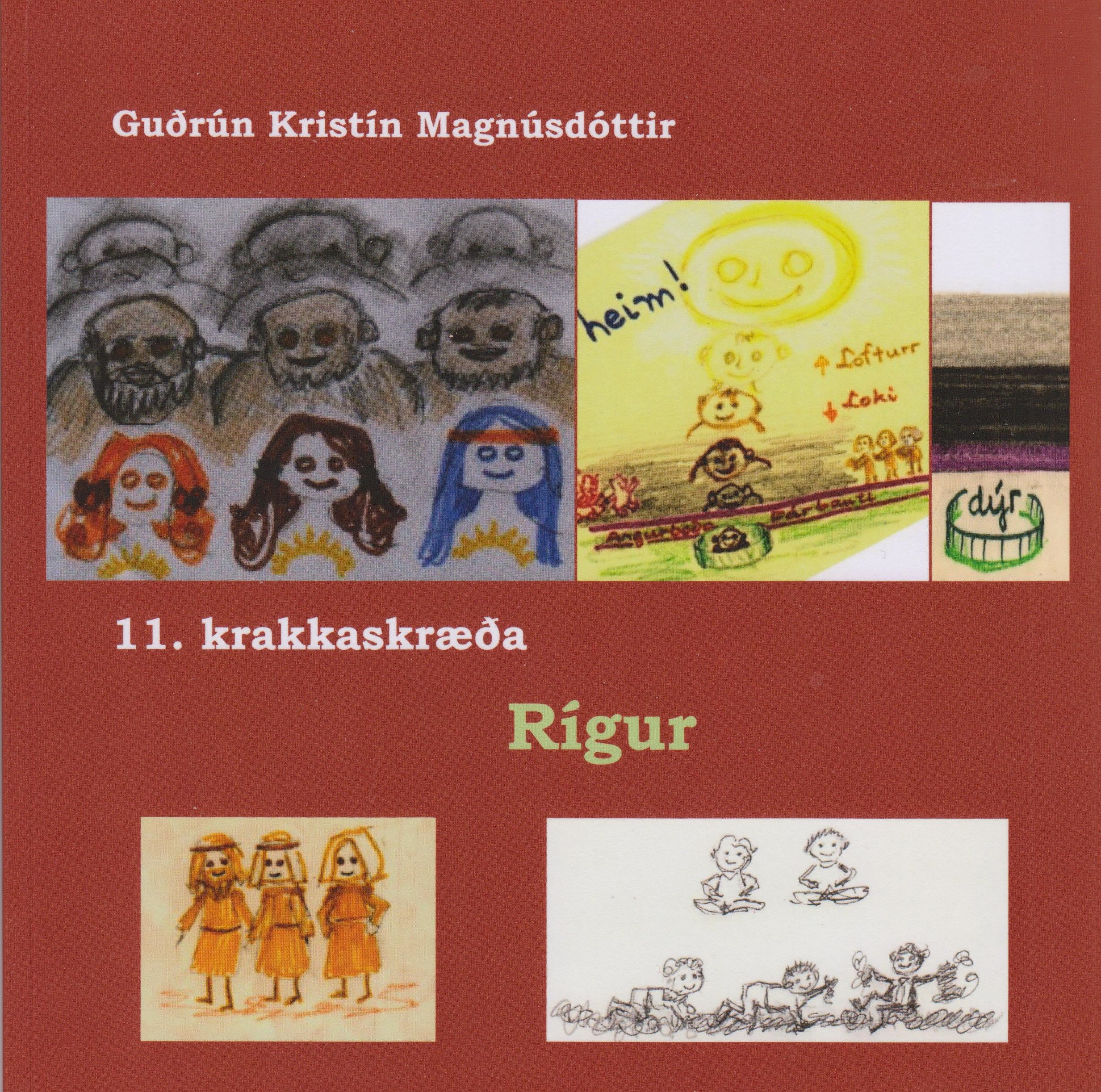
11 Rigur (book cover)

2014 edition
Books in Icelandic and English available on amazon:
Óðsmál for bairns #11 Rígur (on Edda-poem Rígsþula)
(English)
Krakka-Óðsmál in fornu #11 Rígur (Icelandic)
Available here as Kindle (English)
Available here as Kindle (Icelandic)

***

Rígur states of evolution

New 2021 edition
FREE e-book – The Profundity of Edda – – Ný sýn á Eddu – Book 11 of 40
Rígur – Edda poem Rígsþula – Icelandic and English – side by side – in one and the same book
New 2021 edition

12 Yule Þorri Gói

About our ancient, meaningful terms and concepts – of which we might not have thought;
We should know them.
We need _not_ go for newer man-inventions of holydays;
We own the ancient and meaningful ones.

***

yule winter solstice

New 2021 edition
FREE e-book – The Profundity of Edda – – Ný sýn á Eddu – Book 12 of 40
Yule þorri gói – Icelandic and English – side by side – in one and the same book
New 2021 edition

*

*

***

yule þorri gói

-Do I not know enough about yule / Christmas?
-Find out more about our cycles, the worldly ones, and how to evolve spiritually.

*

*

***

Pitch for yulewinter-solstice – all our cycles 1 min 33 sec:


The text for 1 minute pitch yule – winter-solstice – all our cycles (above):
12  yule – winter-solstice – all our cycles

Delightful to find all the cycles in our Norse/Germanic mythology. Everything is evolving, turning, cycling  — and carries us with it. We are not only being cared for, but also wagged to and fro and in cycles. Óðinn is Jólnir at yule, rides over the sky to chase away wights of cold and darkness. This is the promise of Nature to wake up again and again to care for us.
Every symbol, every bed-time story, every naïve term, has a meaning much deeper than we spot. Even if we have heard them over and over again, we never fathomed their inner meaning. We are brought us in superficial views and values only. Taught some surface all worldly things and phenomena. Even if some claim it to be spiritual, it might be talk only about what really is spirituality. We should enjoy the wights of the seasons, but we might also give it a thought to understand what they stand for. We should know their origin — and how they changed through the sometimes dark centuries.

***

yule winter solstice

New 2021 edition
FREE e-book – The Profundity of Edda – – Ný sýn á Eddu – Book 12 of 40
Yule þorri gói – Icelandic and English – side by side – in one and the same book
New 2021 edition

*

*

***

English 2014 edition
The complete book Óðsmál – Yule Þorri Gói (12 of 40)  on Youtube read by Guðrún Kristín Magnúsdóttir 29 min 21 sec


Note: 2014 edition

***

Icelandic 2014 edition
The complete book Óðsmál – Yule þorri gói (12 of 40) on Youtube read by Guðrún Kristín Magnúsdóttir 25 min 59 sec


Note: 2014 edition

***

More to ponder on:

* dorri is the ram þorri, and gói a cow, zodiac signs ram and taurus
* how do our ancient Norse names of months connect to the sky, zodiac signs, and our seasons?
* does their meaning when understood indicate some replacement of them?
* how did the meaning get off place here in the North?
* and then what happened in this context in Rome/southern Europe?
* do we admit circadian rhythms and seasons to influence our physiology?
* what do all sun-gods have in common – whatsoever their name?
* could our jólasveinar, yule-boys, be our forefathers in disguise?
—  if yes, why would they have to be disguised?
* the red colour of Santa’s dress comes from a mushroom that wizards used.
* can a yule-present tell that someone loves us?
* is it more delightful to give than to accept?
* what does Þjóðvitnir (in his present kali-yuga business) have to say about yule-presents?
* Þjóðvitnir has here the role of that which happens to us during dark ages, that which consumes our wits, our knowledge, and hides from us our inner divine power;
Þjóðvitnir should come back to his role, his dharma, of golden ages: chant wits, knowledge, and inner divine power
* do you know the story of how superficial values can be stolen, but the core of joy of yule cannot be taken from us?
— if yes:  * did the Roman Empire steal the core and leave the wrappings?
—  if yes, was that their smart strategy so that we would not notice the change?

***

Til umhugsunar:

*dorri er hrútur, þorri, og gói er kýr –  hrúts- og nautsmerki,
* hvernig tengjast mánaðanöfnin okkar fornu himinhvolfinu og árstíðunum?
* segir merking gömlu mánaðanafnanna okkur eitthvað um tilflutning á mánaðanöfnum?
* hvernig brenglaðist merkingin hér norðurfrá þegar ný áramót urðu til?
* og hvað gerðist þá í Suður-Evrópu í sambandi við mánaðanöfnin?
* gerum okkur grein fyrir árstíðum og eyktum og áhrifum náttúruferla okkur
* hvað eiga öll sólguð sameiginlegt, hverju nafni sem þau nú kunna að nefnast?
* skyldu jólasveinarnir okkar vera forfeður okkar í dulargervi?
— ef já, þá hvernig gæti staðið á því?
* (rauði liturinn í búningi Santa Klaus kemur frá sveppum sem fornir vitkar notuðu mikið)
* er til rauður jurtalitur á Íslandi? kunnið þið fatalitun?
* getur jólapakki táknað væntumþykju?
* er sælla að gefa en þiggja?
* hvaða skoðun hefur Þjóðvitnir okkar á jólagjöfum?
–en Þjóðvitnir leikur hér tákn myrkra alda, glepjandi vitsmuni okkar,
*Þjóðvitnir ætti þess í stað að gala vit og þekkingu og guðlegt afl, sem er hans dharma á öldum uppljómunar–
* Trölli stal yfirborðinu en inntakið var áfram,
* stálu Rómverjar inntakinu og skyldu yfirborðið eftir áfram?

***

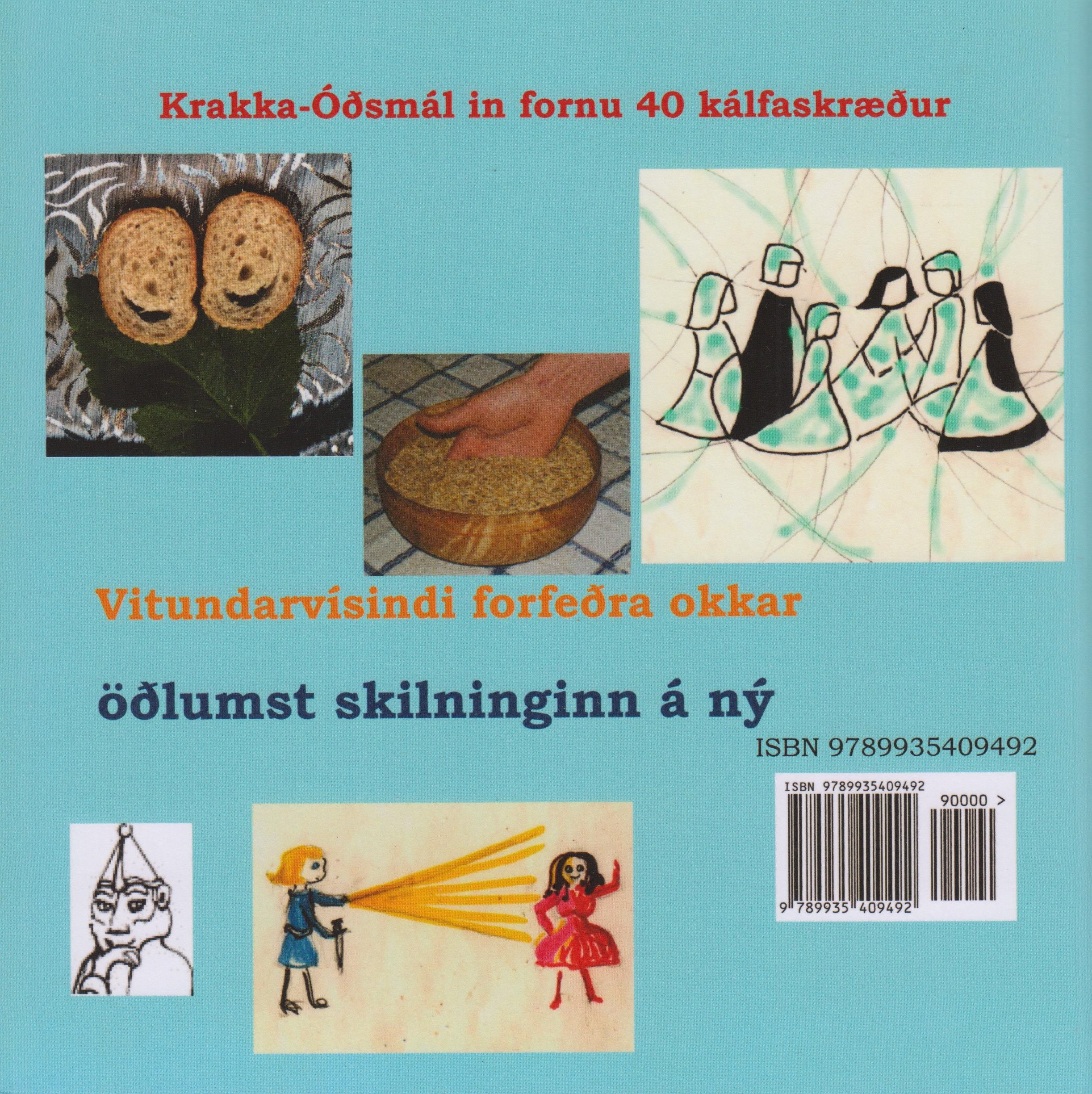
12 jól þorrri gói (book cover)

2014 edition
Books in Icelandic and English available on amazon:
Óðsmál for bairns #12 yule þorri gói
(English)
Krakka-Óðsmál in fornu #12 jól þorri gói (Icelandic)
Available here as Kindle (English)
Available here as Kindle (Icelandic)

***

yule winter solstice

New 2021 edition
FREE e-book – The Profundity of Edda – – Ný sýn á Eddu – Book 12 of 40
Yule þorri gói – Icelandic and English – side by side – in one and the same book
New 2021 edition